
Vancouver Island visitor guide
Visiting Vancouver Island
When to come, how to get here, which ferry to take and what to do once you arrive — the practical answer to every question people ask before their first trip to the Island.
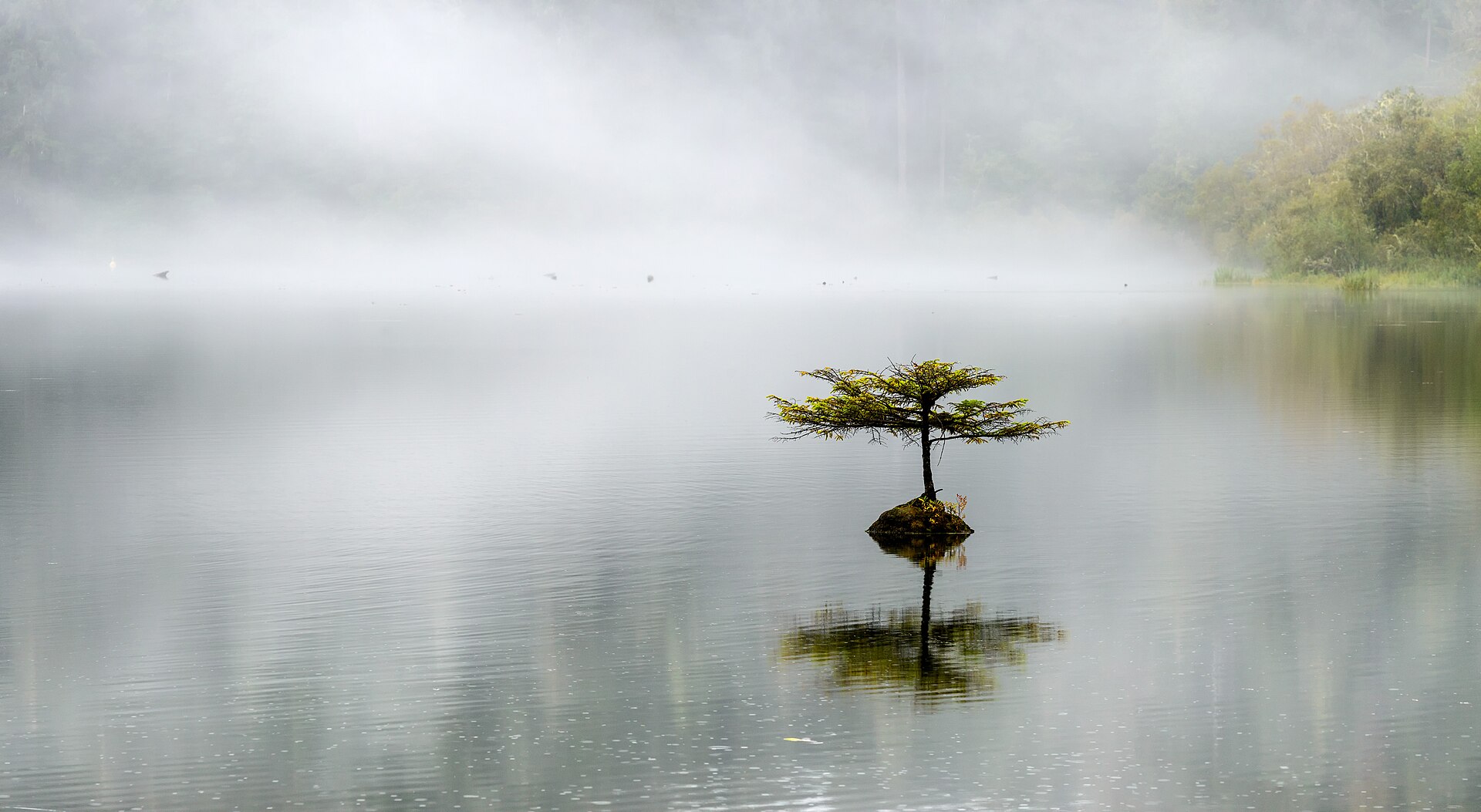
Photo: Sergey Pesterev / Wikimedia Commons, CC BY-SA 4.0
Vancouver Island is bigger than most visitors expect — around 460 kilometres end to end, with a capital city at one end, world-famous surf beaches at the other, and mountains, rivers, vineyards and working fishing towns in between. It sits off the west coast of British Columbia, a ferry ride from Vancouver and roughly 20 minutes by boat from Washington State at its southern tip.
The Island is regularly rated among the top islands in the world to visit, and the reason is the variety: few places this size pack a historic capital, temperate rainforest, an alpine ski hill, wine country and some of the best whale watching on the planet into one road trip. This guide covers the logistics first — when to come, how to get here, how to get around — then where to go and what to do.
When to visit Vancouver Island
There is no off-season so much as four different Islands. Pick the one that matches what you want to do.
Summer (June–August)
The busiest and sunniest stretch. East-coast beaches warm up, all the ferries run at maximum frequency, and every trail, park and wildlife tour is operating.
The trade-off is company: book ferries, accommodation and popular restaurants well ahead, especially on long weekends.
September and early fall
A local favourite. The water is at its warmest, the crowds thin after Labour Day, and the weather often stays calm and dry through the month.
A good time for road trips and hiking — the days are still long enough to cover real distance.
Winter (November–February)
The west coast turns on its famous storm watching, Mount Washington runs a full ski season, and the towns are quiet and local again.
Sea-level weather is rain rather than snow, but mountain passes and occasional wind ferries mean building slack into travel plans.
Spring (March–May)
Waterfalls at their fullest, cherry blossoms in Victoria, migrating grey whales along the west coast, and shoulder-season pricing before summer.
Trails can still be muddy at elevation; the beaches and lowland walks are at their best.
Getting to Vancouver Island
There is no road connection to the mainland — every arrival is by water or air.
By ferry
BC Ferries runs the main routes from the Vancouver area: Tsawwassen to Swartz Bay (for Victoria), Horseshoe Bay to Departure Bay and Tsawwassen to Duke Point (both for Nanaimo). Each sailing takes roughly 90 to 120 minutes plus loading time, and in summer or on long weekends you should reserve a vehicle space. Walk-on passengers never need a reservation.
Further south, the Coho ferry connects Port Angeles, Washington to Victoria's Inner Harbour — a favourite route for visitors coming from Seattle.
By air
Victoria, Nanaimo, Comox and Campbell River airports all have scheduled service from Vancouver and beyond. Floatplanes and helicopters connect downtown Vancouver with Victoria and Nanaimo in about 35 minutes — the fastest and most scenic way over.
For the full picture of drive times, ferry terminals and a route that links the Island end to end, read Driving Vancouver Island: routes, distances and ferries.
Getting around
One main highway (Highway 19) runs up the east coast from Victoria to Port Hardy, and Highway 4 is the single road over the mountains to the west coast. Victoria to Nanaimo is under two hours; Victoria to Tofino is four to five with the ferry and the mountain crossing; Nanaimo to Tofino is about three.
A car is the practical choice for almost every itinerary outside Victoria and central Nanaimo. If you're staying a month or more, most hosts on Visitr include parking and many are set up for guests who arrive with a vehicle and settle in for the season.
Where to go on Vancouver Island
Twelve regions, each with its own character. Tap one for the town guide and the stays there.
Victoria
The capital — the Inner Harbour, Butchart Gardens, museums and the mildest climate in Canada.
Tofino & Ucluelet
The wild west coast: surf beaches, old-growth rainforest, whale watching and winter storms.
Parksville & Qualicum Beach
Warm sand flats, easy seaside towns and the Island's longest-standing resort stretch.
Nanaimo
The central hub — the closest big ferry terminal to half the Island, with a walkable old town.
Comox Valley
Courtenay, Comox and Cumberland: ski Mount Washington in the morning, beach in the afternoon.
Campbell River
The salmon capital and the gateway to the North Island's grizzlies, orcas and wilderness.
Cowichan Valley
Canada's warmest region — wineries, farm stands, rivers and lakes between Duncan and Ladysmith.
Sooke
Rainforest coastline, surf beaches and the start of the Juan de Fuca Trail, an hour from Victoria.
Gulf Islands
Salt Spring, Pender, Galiano and the rest — slow islands of studios, farms and studios of artists.
North Island
Port Hardy, Port McNeill and Telegraph Cove — the end of the road and the start of true wilderness.
Discovery Islands
Quadra and Cortes: kayak country, off-grid cabins and quiet island roads north of Campbell River.
Port Alberni
The valley halfway to the west coast — affordable, forested and on the way to almost everything.
Things to do on Vancouver Island
Deep dives on the Island's best days out — each guide covers what to do, when it works best, and the stays nearby.
- Things to do in Tofino
- Things to do in Victoria
- Things to do in Nanaimo
- Things to do in Campbell River
- Things to do in Ucluelet
- Sooke and the Juan de Fuca coast
- The best beaches
- The best hikes
- Whale watching
- Driving the Island
- Vancouver Island in winter
- Vancouver Island with kids
Or browse the full Vancouver Island travel guide — 12 topic guides plus town and neighbourhood deep dives.
Not sure how to fit it all together?
Our trip planner suggests a route based on how many nights you have and what you're coming for, with drive times between stops — or start from a ready-made itinerary.
Plan your tripWhere to stay when you visit
Visitr is a curated directory of vetted stays across the Island — from weekend cabins to month-long homes for people who arrive and don't want to leave. You contact the host directly; there are no booking fees or commissions.
Visiting Vancouver Island: common questions
Is Vancouver Island worth visiting?
Yes — it is one of the most varied destinations in Canada for its size. Within a single trip you can combine a historic capital city, surf beaches and old-growth rainforest, a ski mountain, wine country and some of the best whale watching in the world. Most visitors say the hard part is fitting it into one trip, which is why the Island rewards repeat visits.
How do I get to Vancouver Island?
Most visitors take a BC Ferries sailing from the Vancouver area: Tsawwassen to Swartz Bay for Victoria, or Horseshoe Bay / Tsawwassen to Nanaimo. Each crossing is roughly 90–120 minutes plus terminal time, and vehicle reservations are recommended in summer. You can also fly into Victoria, Nanaimo, Comox or Campbell River, or take a floatplane from downtown Vancouver in about half an hour.
How many days do you need on Vancouver Island?
Three or four days is enough for Victoria plus one or two day trips. A week lets you add the west coast (Tofino and Ucluelet) or the central beaches. Two weeks lets you cover the Island end to end without rushing — and plenty of visitors end up staying a month or more, which is what Visitr's longer stays are built for.
Do you need a car on Vancouver Island?
For anything beyond Victoria, Nanaimo and the biggest towns, a car is by far the easiest way to travel. Transit exists but is slow and sparse between communities. If your trip starts and ends in Victoria, you can manage without one; for the west coast, the north Island or the valleys, rent a vehicle.
When is the best time to visit Vancouver Island?
July and August have the best weather and the biggest crowds; September is the sweet spot with warm water and fewer people. Winter is the season for storm watching, skiing and quiet towns, and spring brings waterfalls, blossoms and migrating whales.
Where should I stay when visiting Vancouver Island?
It depends on the trip. Victoria suits first-time and city-focused visits, Tofino and Ucluelet for the west coast, Parksville and Qualicum for warm beach towns, and Nanaimo as a practical base in the middle. Every town page on Visitr lists vetted stays there, booked direct with the host — no booking fees or commissions.