Victoria is the capital of British Columbia and the Island's only real city — about 400,000 people across the Greater Victoria region, at the southern tip where the climate is the mildest in Canada. It is compact, walkable and full of things you can do in a morning, which makes it the easiest base on the Island for a first visit or a long stay.
The Inner Harbour and around it
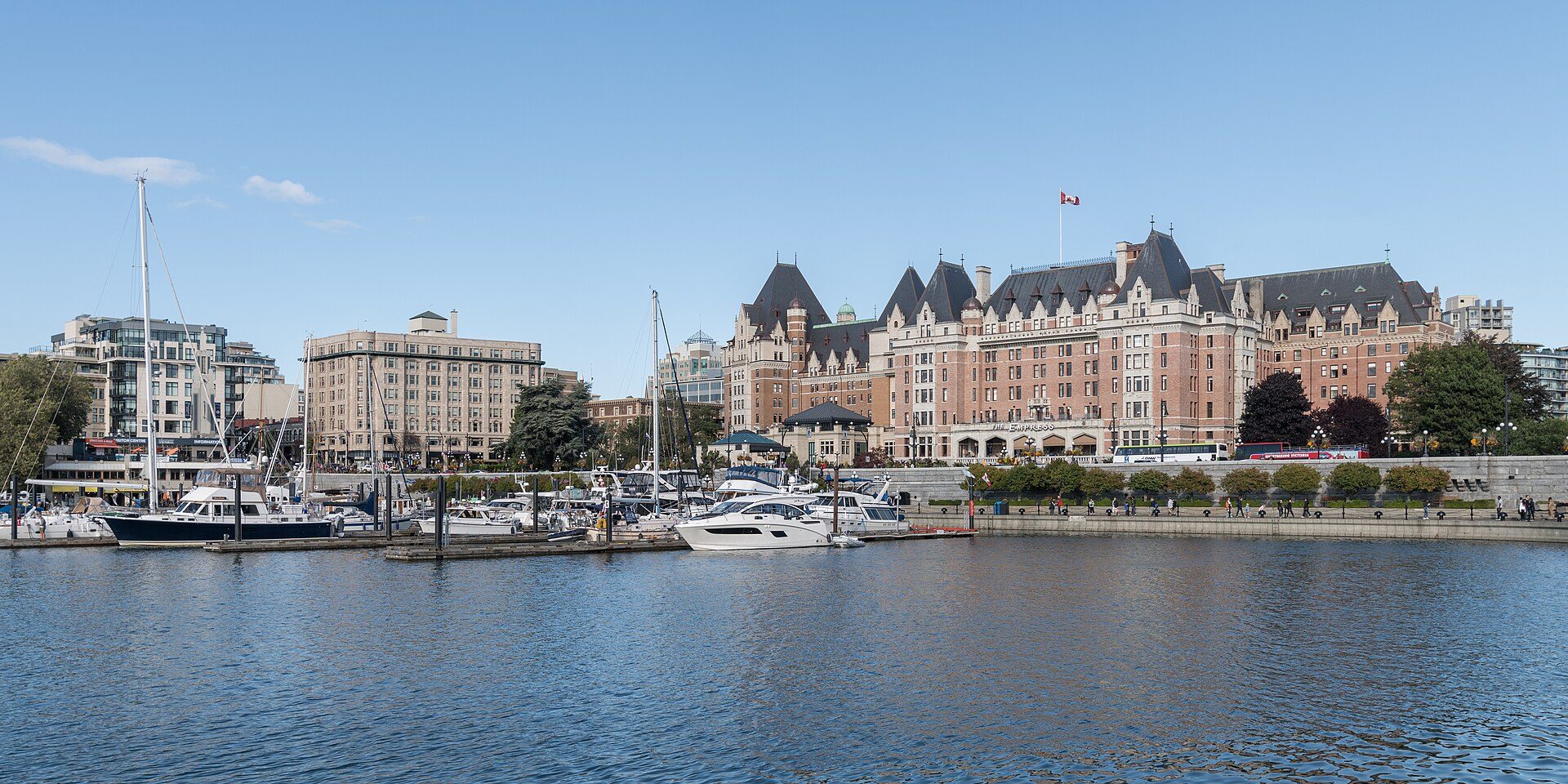
The Inner Harbour is the centre of the city: the Parliament Buildings on one side, the Fairmont Empress on the other, floatplanes landing between them. The Legislature offers free public tours and the lawn is a good place to start a walk.
The Royal BC Museum sits alongside, with natural history and First Peoples galleries and the outdoor Thunderbird Park totem poles.
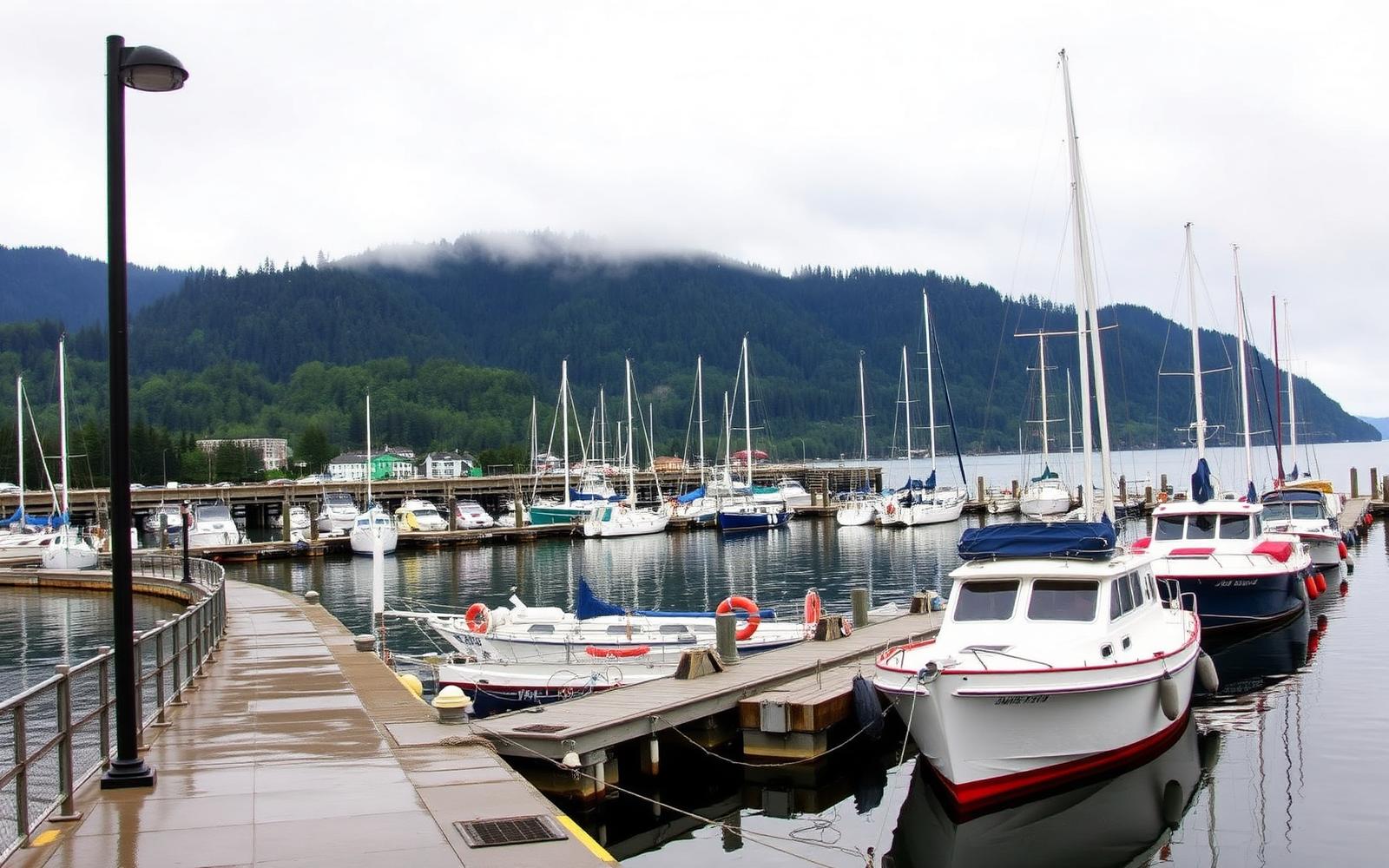
The harbour ferries — small round boats that carry a handful of passengers — are a cheap way to see the city from the water and reach Fisherman's Wharf, where the floating homes and food kiosks are.
Gardens
The Butchart Gardens in Brentwood Bay, about a 30-minute drive north, is the one everyone names: a former limestone quarry turned into formal gardens, open year-round and lit through December.
Closer in, Beacon Hill Park runs from downtown to the sea with ponds, big trees and a petting farm, and Abkhazi Garden is a small, quieter alternative in Fairfield.
Neighbourhoods worth an afternoon
Chinatown is the oldest in Canada. Fan Tan Alley, the narrow lane running off it, is a short walk with a lot of history.
Fernwood and Cook Street Village are the residential neighbourhoods with the best coffee and independent shops.
Oak Bay feels like a village of its own, with Willows Beach and a view across to Mount Baker on clear days.
James Bay, between downtown and the sea, is where most visitors end up walking without planning to.
Coast and trails within the city
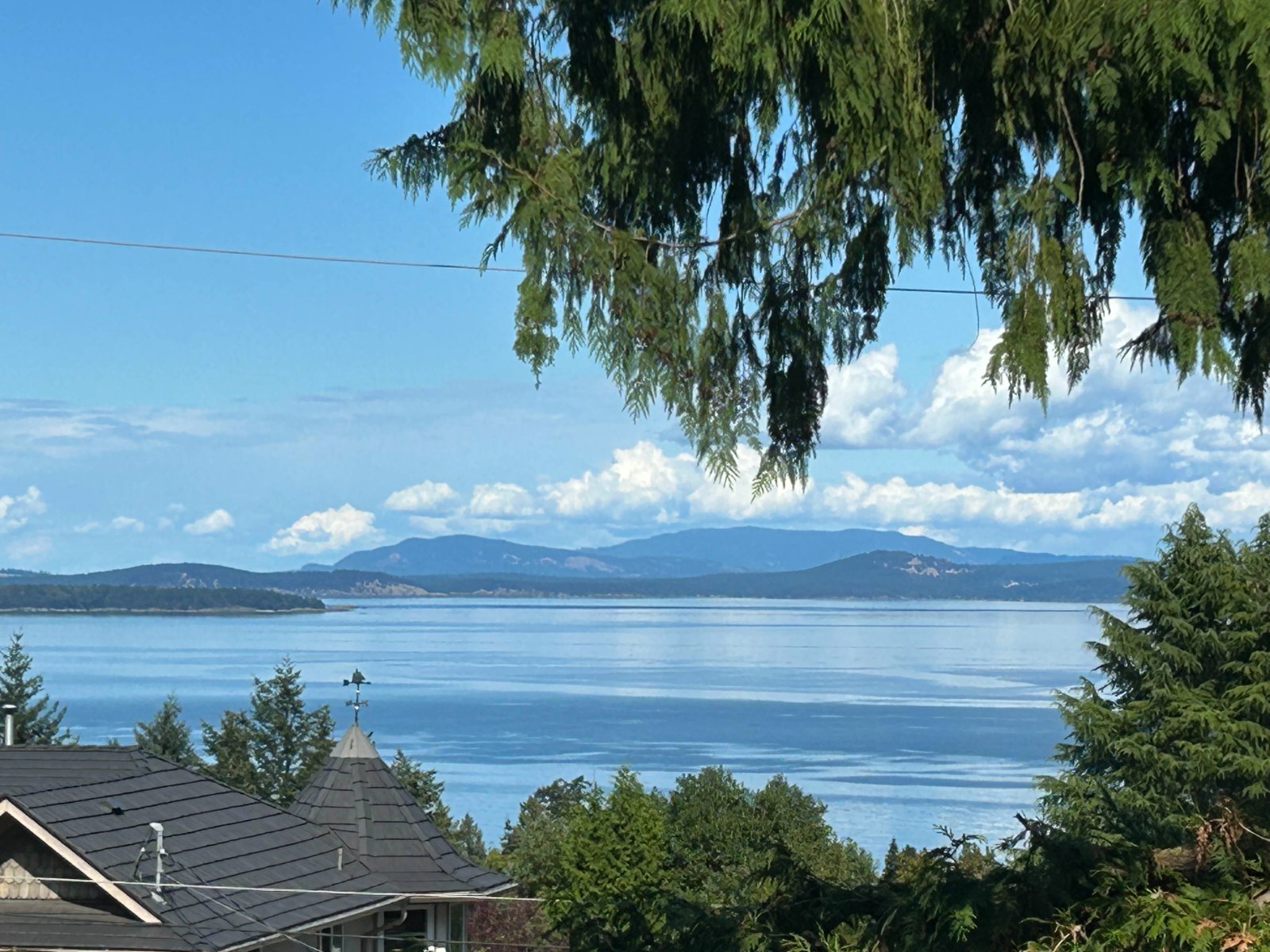
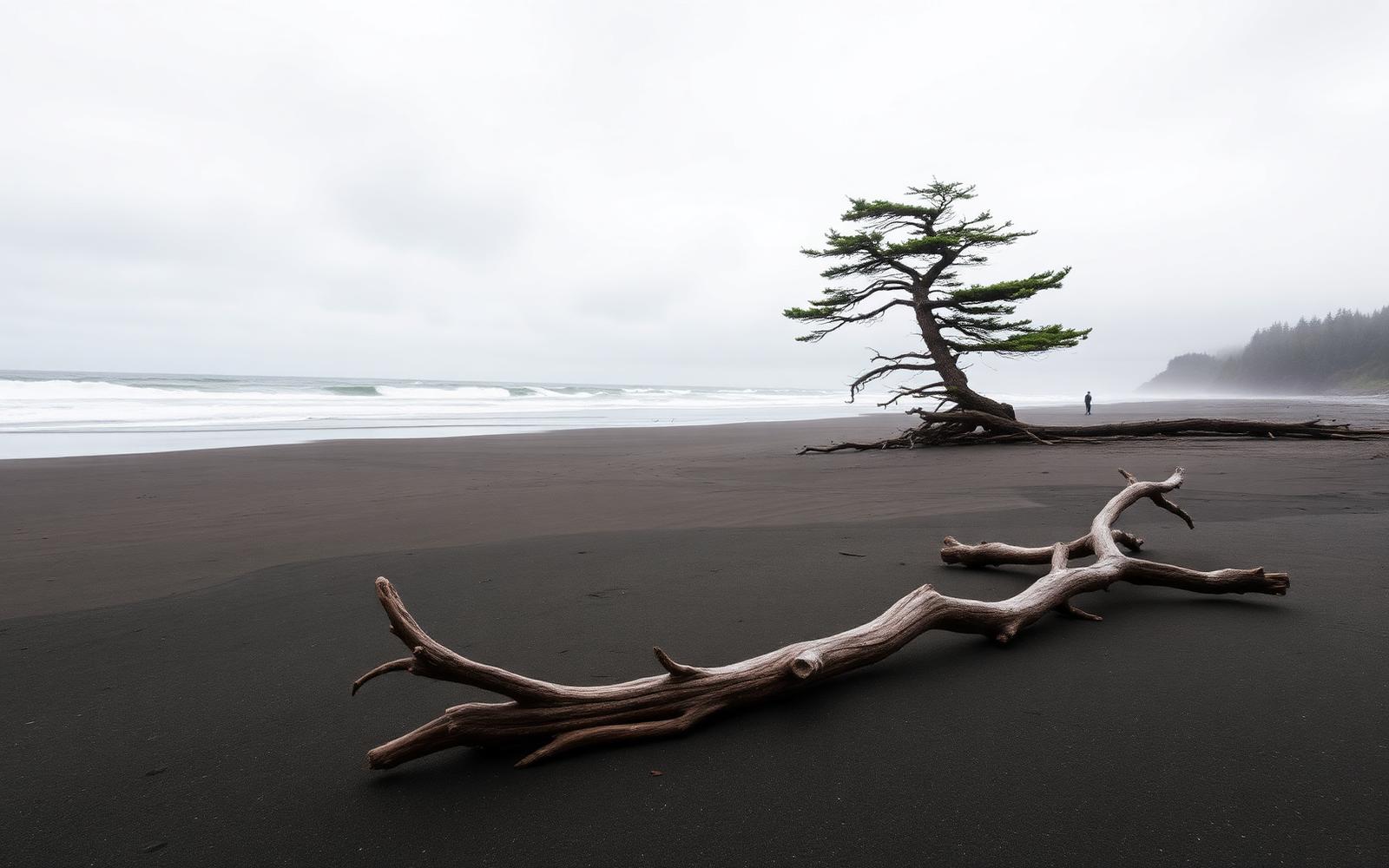
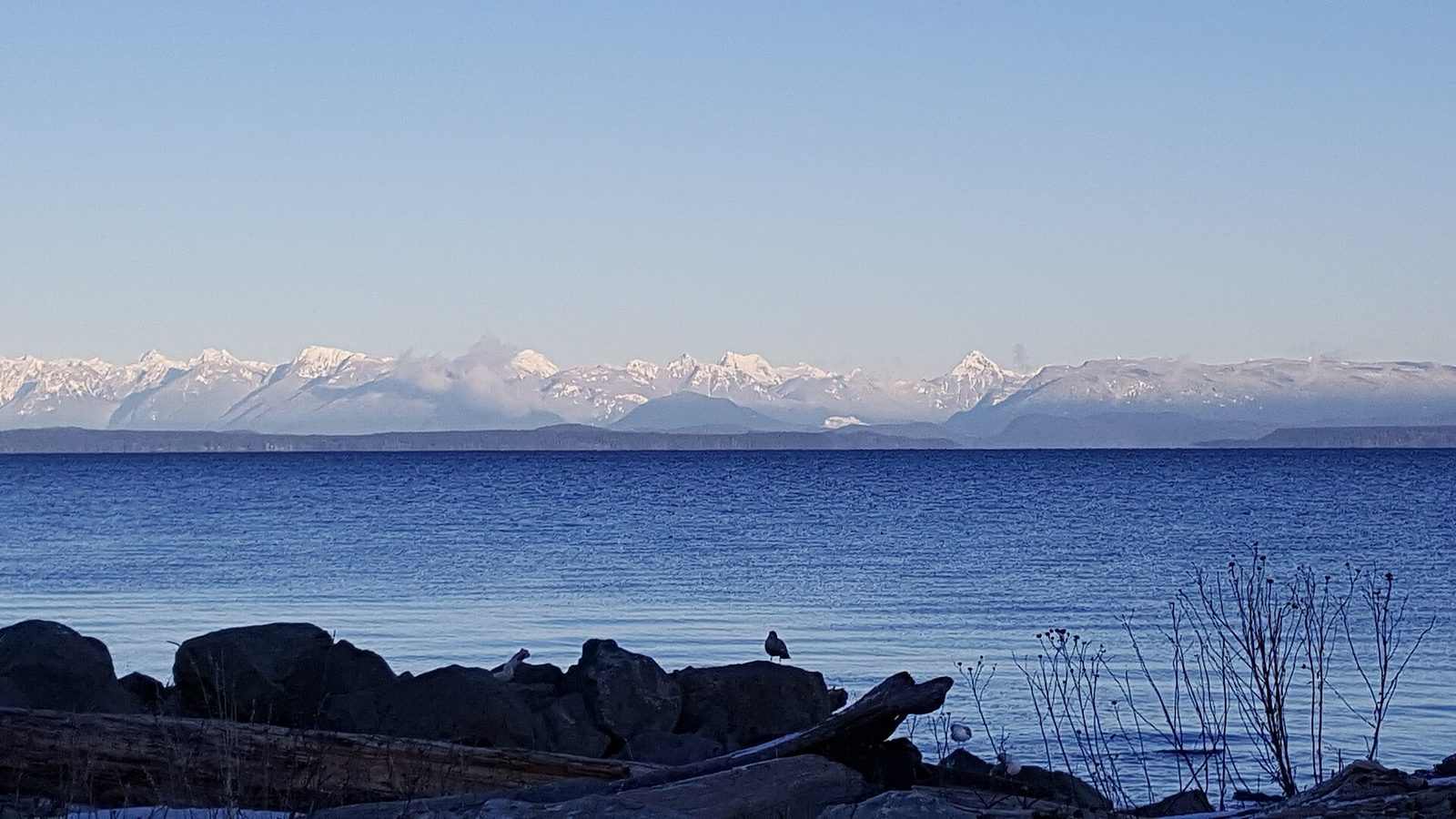
Dallas Road runs along the south shore with a clifftop path, driftwood beaches and, on a clear day, the Olympic Mountains across the strait.
Mount Douglas and Mount Tolmie both give a full view of the region from a short climb or a drive to the summit.
The Galloping Goose Regional Trail starts downtown and runs out to Sooke on a former rail line — flat, paved near the city and easy on a rented bike.
East Sooke Park and Witty's Lagoon are within an hour and feel a long way from a capital city.
Food, drink and rainy days
Victoria has more restaurants per person than most Canadian cities and a serious coffee culture. The Public Market at Hudson and the Saturday markets are good places to graze.
Afternoon tea at the Empress is the classic splurge; several smaller tea rooms do a version for a fraction of it.
On a wet day: the Royal BC Museum, Craigdarroch Castle, the Maritime Museum and the bookshops on Fort Street's Antique Row.
Day trips from Victoria
Sooke and the Juan de Fuca coast, about an hour west, for potholes, beaches and rainforest.
The Saanich Peninsula and Sidney for wineries, the seaside bookshops and the ferry terminals.
Salt Spring Island via Swartz Bay, easily done in a day if you plan around the sailings.
Staying for a month or more
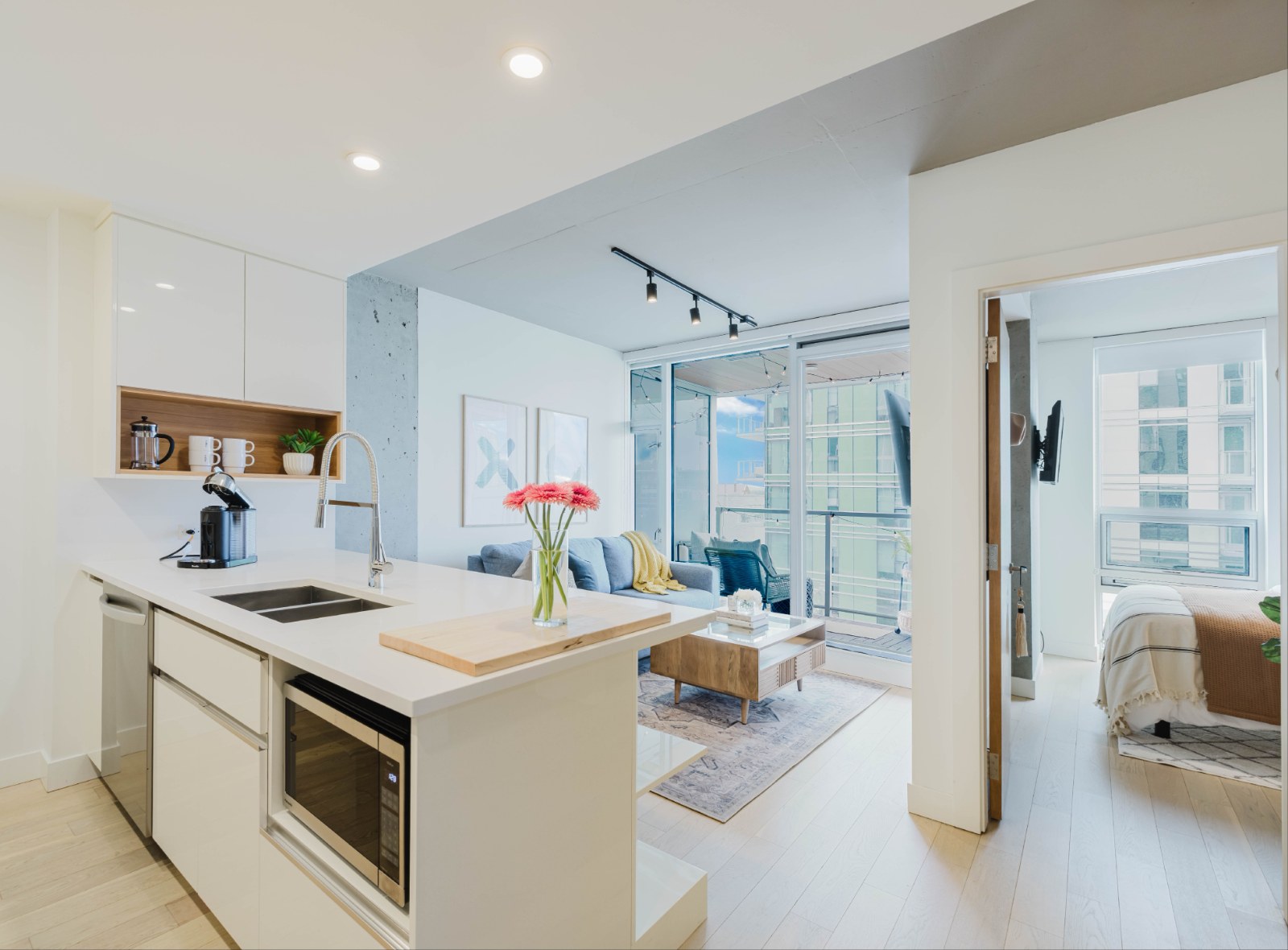
Victoria is the Island's most common choice for winter stays — mild, walkable, and with everything open year-round.
If you are here without a car, look at Fairfield, James Bay, Fernwood or downtown. All four put groceries, buses and the sea within a walk.
Common questions
- How many days do you need in Victoria?
- Two days covers the Inner Harbour, a museum and one garden. Three or four lets you add Oak Bay, the Dallas Road waterfront and a trip out to Sooke or the Saanich Peninsula.
- Is Victoria walkable without a car?
- Downtown, James Bay, Fairfield and Fernwood are very walkable and well served by buses. You will want a car or a tour for Butchart Gardens and anything past the city limits.
- What is the weather like in Victoria?
- The mildest in Canada. Summers are warm and dry, winters are wet and grey but rarely freezing, and snow is unusual and short-lived.