The Cowichan Valley, between Victoria and Nanaimo, is often described as the warmest region in Canada by annual average temperature. That climate supports something unusual for the coast: a working wine region of small family estates, alongside cideries, farm gates and a seaside village built on stilts.
The wineries
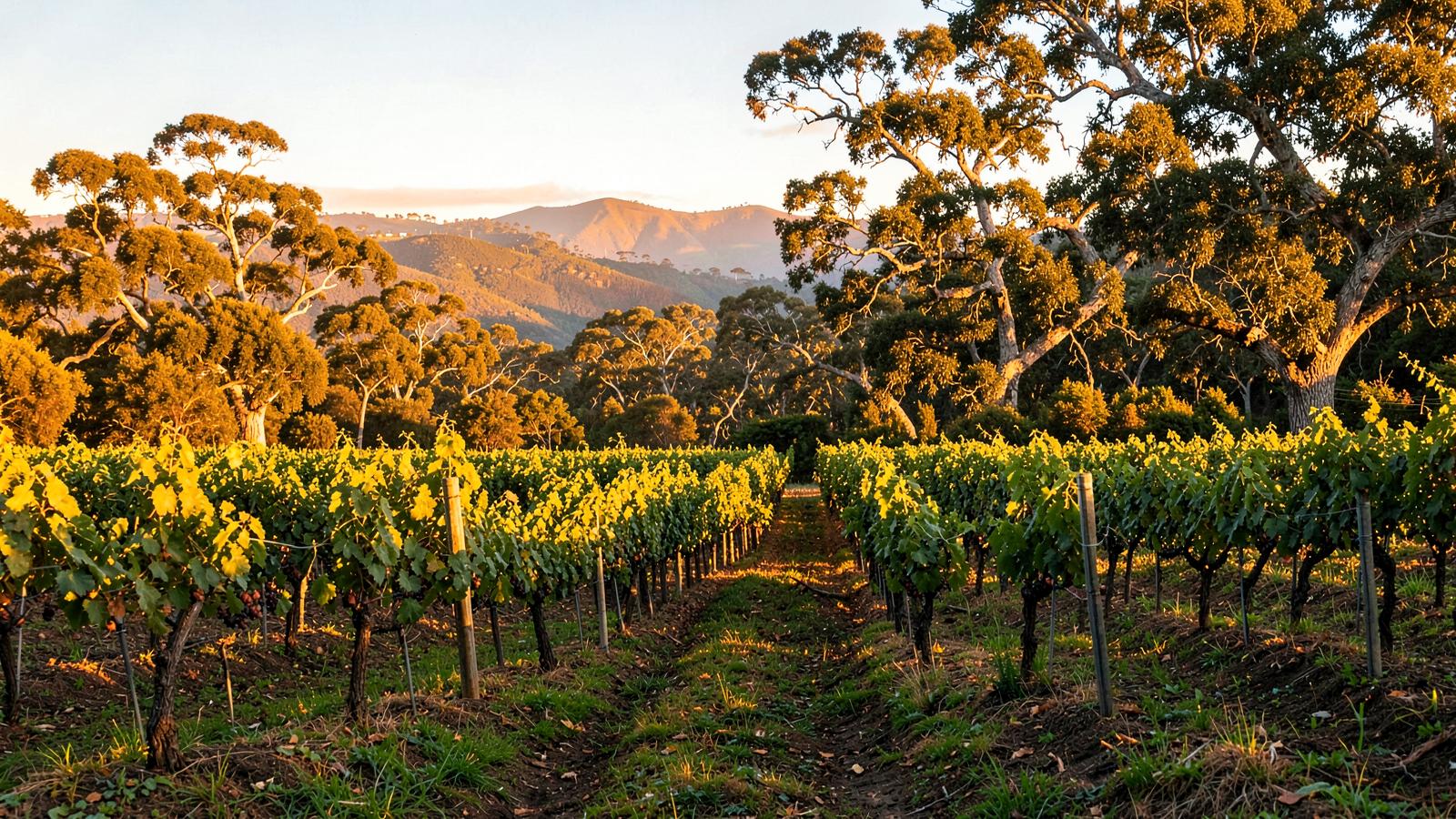
Estates are clustered around Cobble Hill, Cowichan Bay, Duncan and the Glenora area, most of them small enough that the person pouring may well be the person who made it.
Cool-climate whites and lighter reds dominate, along with sparkling wine and fruit wines. Tasting-room hours shrink outside summer, so call ahead in the off-season.
Distances between estates are short but the roads are rural — plan a designated driver or book a tour.
Cowichan Bay and Duncan
Cowichan Bay is a single waterfront street of floating homes, a bakery, a cheese shop and boat sheds — the first community in North America to join the Cittaslow slow-cities network.
Duncan, the valley's main town, is known as the City of Totems for the carvings placed throughout the downtown, and has the largest farmers market in the region on Saturdays.
Outside the tasting room
Cowichan Lake, west of Duncan, is a warm freshwater lake with beaches, paddling and a rail-trail along the old railway line.
The Kinsol Trestle near Shawnigan Lake is one of the tallest wooden rail trestles in the world and an easy walk from the parking area.
Chemainus, north of Duncan, built its second act on large outdoor murals and a working live theatre.
Basing yourself here
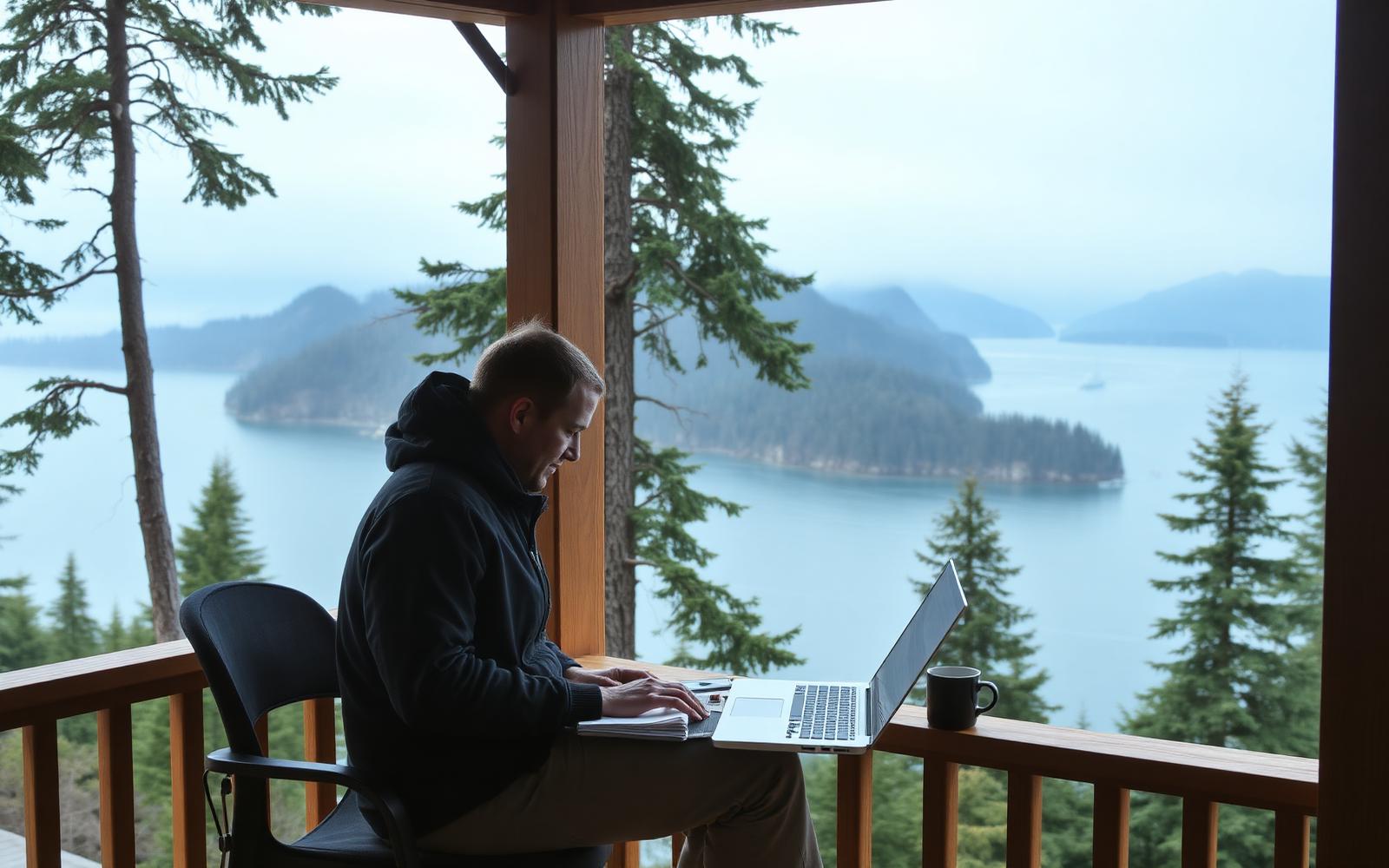
The valley is under an hour from Victoria and about 45 minutes from Nanaimo, which makes it a common choice for longer stays that need occasional city access.
Rural properties are the norm — expect wells, septic systems and a drive to the nearest grocery, all of which is worth confirming with a host before a month-long booking.
Common questions
- How many wineries are in the Cowichan Valley?
- Enough to fill several days of tasting across Cobble Hill, Cowichan Bay, Duncan and Glenora, though the exact number changes as small estates open and close. The regional wine route map is the reliable current source.
- Is the Cowichan Valley worth staying in rather than day-tripping?
- If you want more than one tasting room, yes. Staying in the valley removes the drive home and opens up the lake, the trestle and the coastal villages in the same trip.